
What Makes a Reliable Melamine Plywood Supplier for Global Construction Projects?
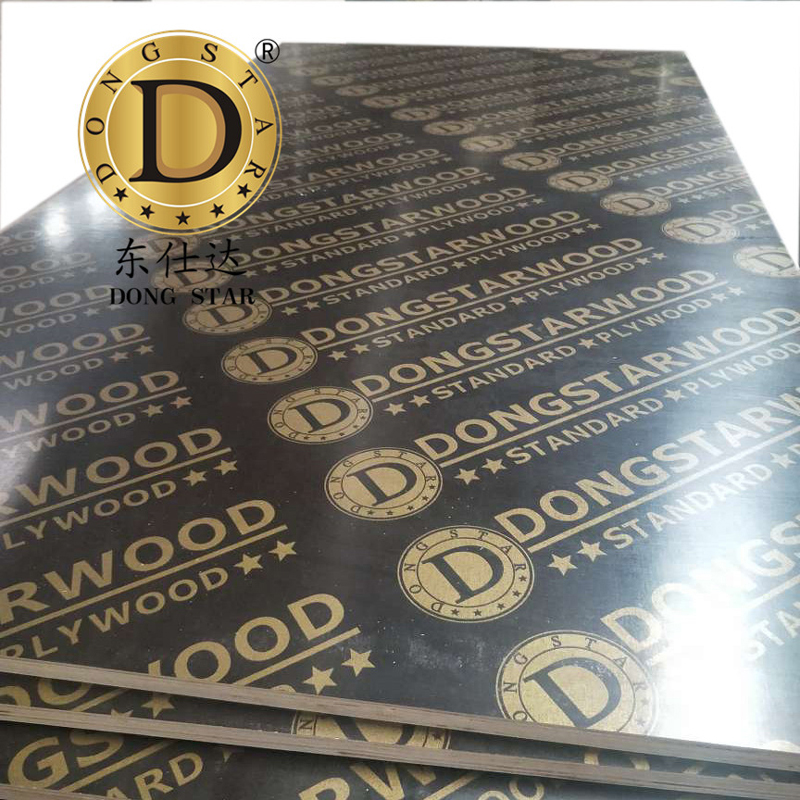
A top-tier Melamine Plywood Supplier delivers panels with a density variation under 5% across a 1,220mm x 2,440mm sheet, ensuring consistent screw-holding power for industrial cabinetry. Beyond mechanical specs, providers meeting 2026 international ASTM D1037 standards maintain documented formaldehyde emission levels below 0.05 ppm, verifiable through third-party lab batches exceeding 500 samples per quarter. By balancing resin-to-paper ratios at 65% and utilizing calibrated hot-press cycles within 0.5-second tolerances, these vendors minimize surface delamination risk, protecting construction budgets from site-level material failure expenses.
Engineering teams specify panel structural requirements long before procurement, yet the actual performance hinges on the substrate quality provided by the Melamine Plywood Supplier. Factory-grade panels require a moisture content maintained between 8% and 12% to prevent warping when exposed to site humidity levels often reaching 70% in coastal regions.
High-performance panels undergo a 24-hour water-soak test, showing thickness swelling of less than 10% for exterior-grade cores, while standard indoor boards exceed 15% swelling under similar conditions.
Reliable manufacturers utilize multi-stage sanding processes where grit refinement progresses from 80 to 240, ensuring the melamine film adheres to a surface roughness profile below 1.5 micrometers. This physical preparation reduces the amount of secondary adhesive needed during furniture assembly, cutting labor time per unit by approximately 12% for large-scale millwork contractors.
Maintaining such high surface precision requires constant monitoring of the decorative paper saturation levels, as documented in 2025 industry quality audits. Manufacturers tracking production metrics find that variations in resin impregnation beyond 2% cause visible color shift issues when integrating panels from different shipping containers.
| Performance Metric | Industrial Grade | Standard Commercial |
| Formaldehyde Emission | E0 (< 0.05 ppm) | E1 (< 0.12 ppm) |
| Screw Holding (Face) | > 1,200 N | 800 - 900 N |
| Surface Bonding Strength | > 1.5 MPa | 0.8 - 1.0 MPa |
When evaluating a Melamine Plywood Supplier, request access to their 2026 mill test reports that highlight internal bond strength across at least 1,000 randomly selected board samples. These reports verify if the phenol-formaldehyde resins used in the core maintain structural integrity even after high-pressure lamination cycles.
The logistics of international trade demand that packaging density achieves at least 95% container utilization while protecting board edges with 10mm high-density foam padding. Ships carrying panels across long-distance ocean routes expose materials to extreme climate changes, requiring desiccant packs inside every shipping bundle to prevent condensation.
Proper load distribution in 40-foot containers prevents mechanical damage, as documented in cargo surveys where 98% of shipments arrive without pressure-point marks when edge protectors are utilized.
Procurement officers prioritize partners who hold current ISO 9001:2015 certifications, as these standards mandate internal auditing of the press temperature controllers and cooling racks. A 5-degree fluctuation in the hot-press heating plate significantly alters the cross-linking density of the melamine resin, leading to brittle surfaces prone to cracking within 6 months of installation.
Suppliers maintaining a 99.5% on-time delivery rate often employ automated inventory systems that link directly to customer order platforms, providing real-time production visibility. This transparency allows contractors to adjust site schedules based on precise arrival dates rather than estimated windows, reducing the cost of holding buffer stock on active construction sites by nearly 20% annually.
Effective communication between the project manager and the production team ensures that the final product dimensions match site tolerances within a +/- 0.3mm margin. Frequent calibration of cutting machinery every 48 hours is standard practice for high-output factories, ensuring that squareness remains within 1mm per meter of length for edge-to-edge assembly requirements.
Ready to hear your track mastered?
Drop a stereo bounce. Pick a target — Spotify, Apple Music, Netflix, BBC iPlayer, or CD. Get a broadcast-loud, release-ready master back in under 90 seconds.
Start a Free Master →